By Fr. Peter Farrington - St. George Ministry - Coptic Mission Communities in the UK. When I was an evangelical it was customary for some who thought they were cool to respond to the question, What Church do you belong to? with the answer, I’m just a Christian! Sure, I knew what they meant. But... Continue Reading →
On Fasting
By H.H. Pope St. Cyril (Kyrillos) VI. Papal message to his children that had emigrated to other countries on the occasion of holy Lent. It was written shortly before his departure on 9th March 1971. Peace to you from the Lord and grace and blessing. Our Good and Compassionate God, Who preserves His children everywhere... Continue Reading →
The Meaning of the Great Lent
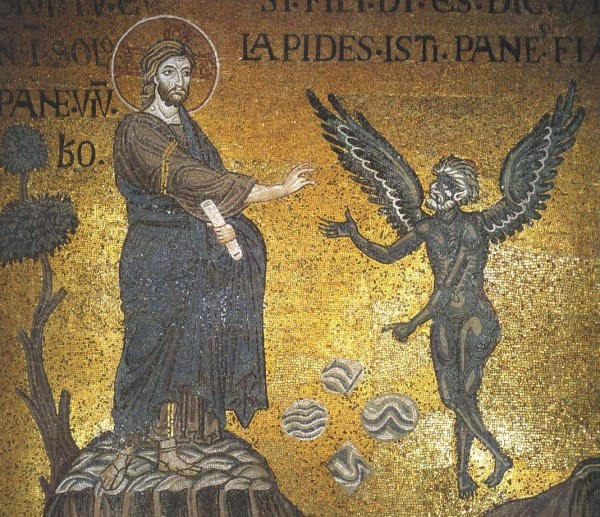
Great Lent is considered the holiest fast since our Lord Jesus Christ Himself had fasted it. Therefore, during Great Lent we follow the example set by our Lord Jesus Christ, Who fasted on our behalf forty days and forty nights (Matt. 4: 2). Also during Holy Week, which comes after the 40 days, we live... Continue Reading →
The Spirituality of the Coptic Horologion (Agpeya)
By H.H. Pope Shenouda III. The prayers in the “Agpeya” are the seven prayers recited at fixed different hours of the day. Each hour includes a general introduction, Psalms, intercessions, a few biblical passages, a closing prayer, and a general prayer to conclude all the prayers included at a specific time of the day. Why... Continue Reading →
The Nature of Prayer
By Fr. Matthew the Poor (Matta El-Meskeen). “Lord teach us to pray” — Lk 11:1 “You have said, ‘seek my face.’ My heart says to you, ‘Your face, Lord, do I seek.’” — Ps 27:8 Prayer that is spiritual and genuine is both a call and a response: a divine call and a human response.... Continue Reading →
The Consequences of Not Praying
By Fr. Matthew the Poor (Matta El-Meskeen). Let him who does not pray expect nothing whatsoever from God- neither salvation nor renewal no direction nor grace. Rather, he is consigned to the whims and fancy of his own mind, the will of his own ego, and the direction of his own thinking. He is like... Continue Reading →
Saint Mary in the Orthodox Concept
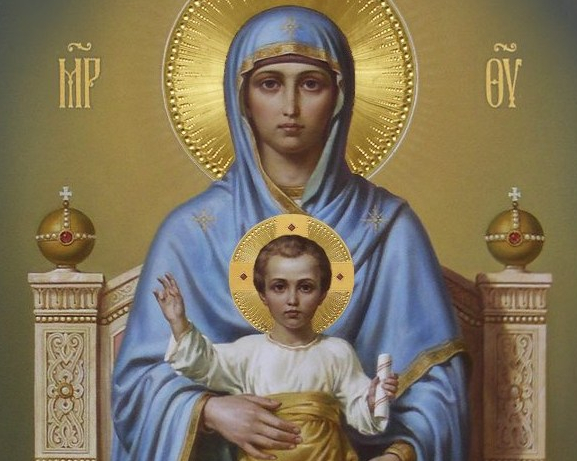
Saint Mary is regarded as the highest saint in the Orthodox Church. She is higher than all the heavenly saints and any man or woman saint who ever lived. She is called the Theotokos, which is a Greek word meaning “Mother of God.” Saint Mary is the Mother of God. The Coptic church focuses on... Continue Reading →
History of the Coptic Orthodox Church
Name and Origin: The Copts are the original Egyptians, and the word "Copt" itself is derived from the Greek word "Aegyptus" which means Egypt. The Copts are the descendants of the ancient Egyptians. They are considered one of the most anthropologically pure races in the world. The Coptic Era: When people think of Egypt, they... Continue Reading →
Monasticism
Monasticism began in the Coptic Orthodox Church towards the end of the third century, and flourished in the fourth. There were hundreds of monasteries and thousands of caves in the mountains of Egypt. Saint John Cassian said that the traveller from Alexandria in the North to Luxor in the South, would have, in his ears... Continue Reading →
Christology of the Oriental Orthodox Church
By Fr. Peter Farrington – St. George Ministry – Coptic Mission Communities in the UK. The Humanity of Christ (What Oriental Orthodox Believe) This is an explanation of the Oriental Orthodox understanding of the humanity of Christ, and rebuttals to common misconceptions and arguments. The Oriental Orthodox Churches have often been criticised for professing a... Continue Reading →
You must be logged in to post a comment.